

The Sustainable Fashion Read on August
We pulled together August’s biggest shifts across sustainable fashion and all its moving parts, from secondhand growth and resale infrastructure to research innovations.

The business of fashion is much bigger than clothes
Some of the most valuable companies in sustainable fashions next chapter will barely touch the hanger - they’ll be working out what happens before, underneath and after what we wear.
The Sustainable Fashion Read on July
We pulled together July’s biggest shifts across sustainable fashion and all its moving parts, from secondhand growth and resale infrastructure to new regulation, recycling systems, material development and fashion education.
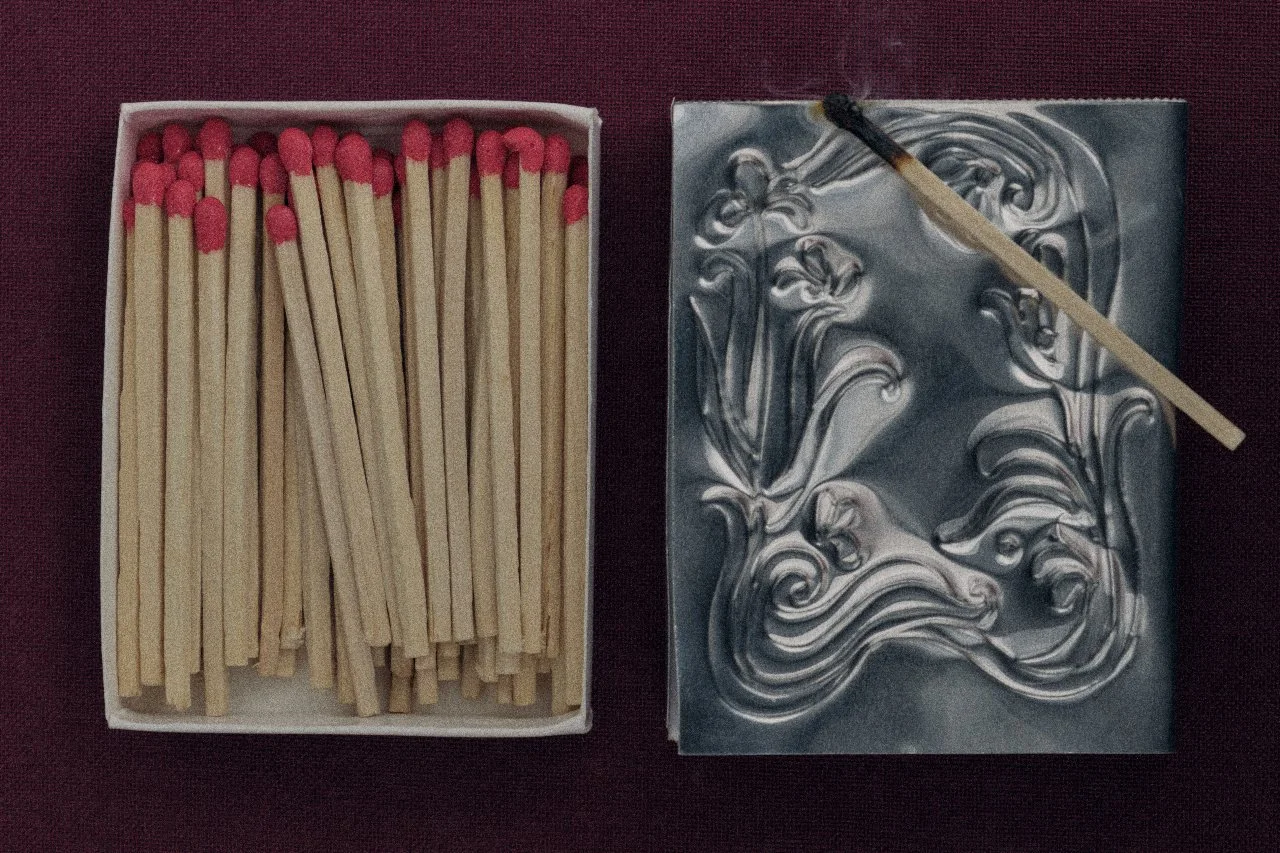
The ESPR brings commercial opportunity for the circular economy.
The ESPR stops fashion burning its mistakes - this brings a huge opportunity for the circular economy to build solutions and commercially thrive.
The Sustainable Fashion Read on June
What we’ve seen from June is that sustainable fashion is certainly growing, however that growth is becoming more complicated, more scrutinised and more commercial.
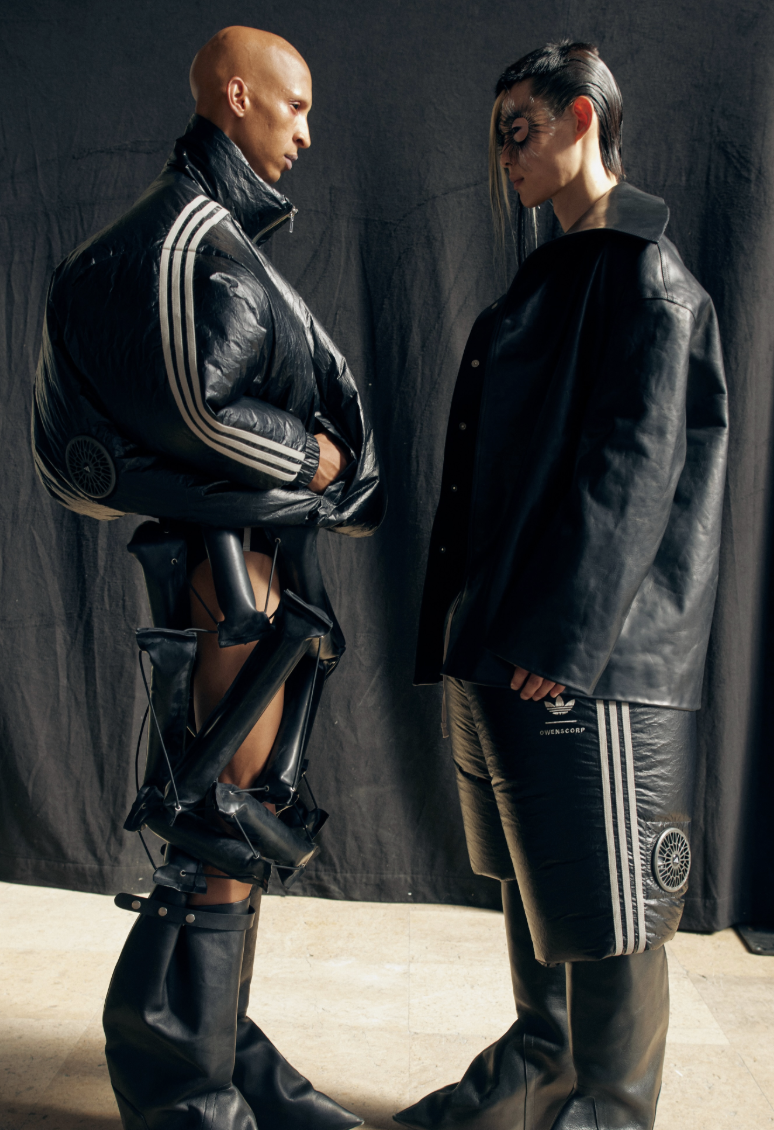
Is this what climate change fashion looks like?
Men’s fashion week in 40°C degree Paris. Rick Owen’s couldn’t have hoped for a better environment to launch his Adidas tracksuits with in-built air conditioning units. Is this what climate change fashion looks like?
The Sustainable Fashion Read on May
May felt like a month of huge contradictions. As sustainability claims came under greater scrutiny, investment continued flowing into circular infrastructure, material innovation and industry collaboration. Here's what the month's biggest stories reveal about where fashion is heading next.
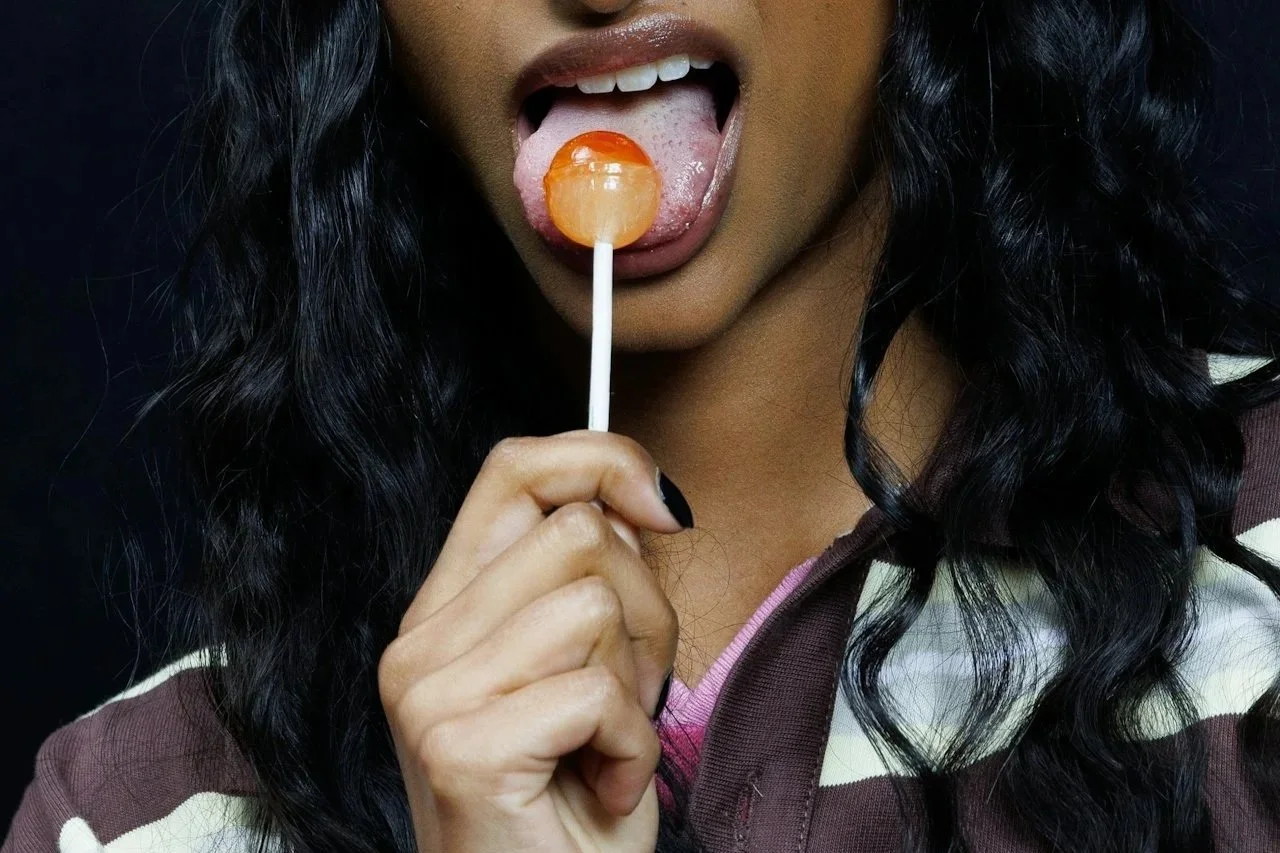
The Vinted Effect
Vinted’s growth shows how resale became mainstream. The next phase of circular fashion depends on slower habits, clearer behaviour and reduced demand for new clothing.
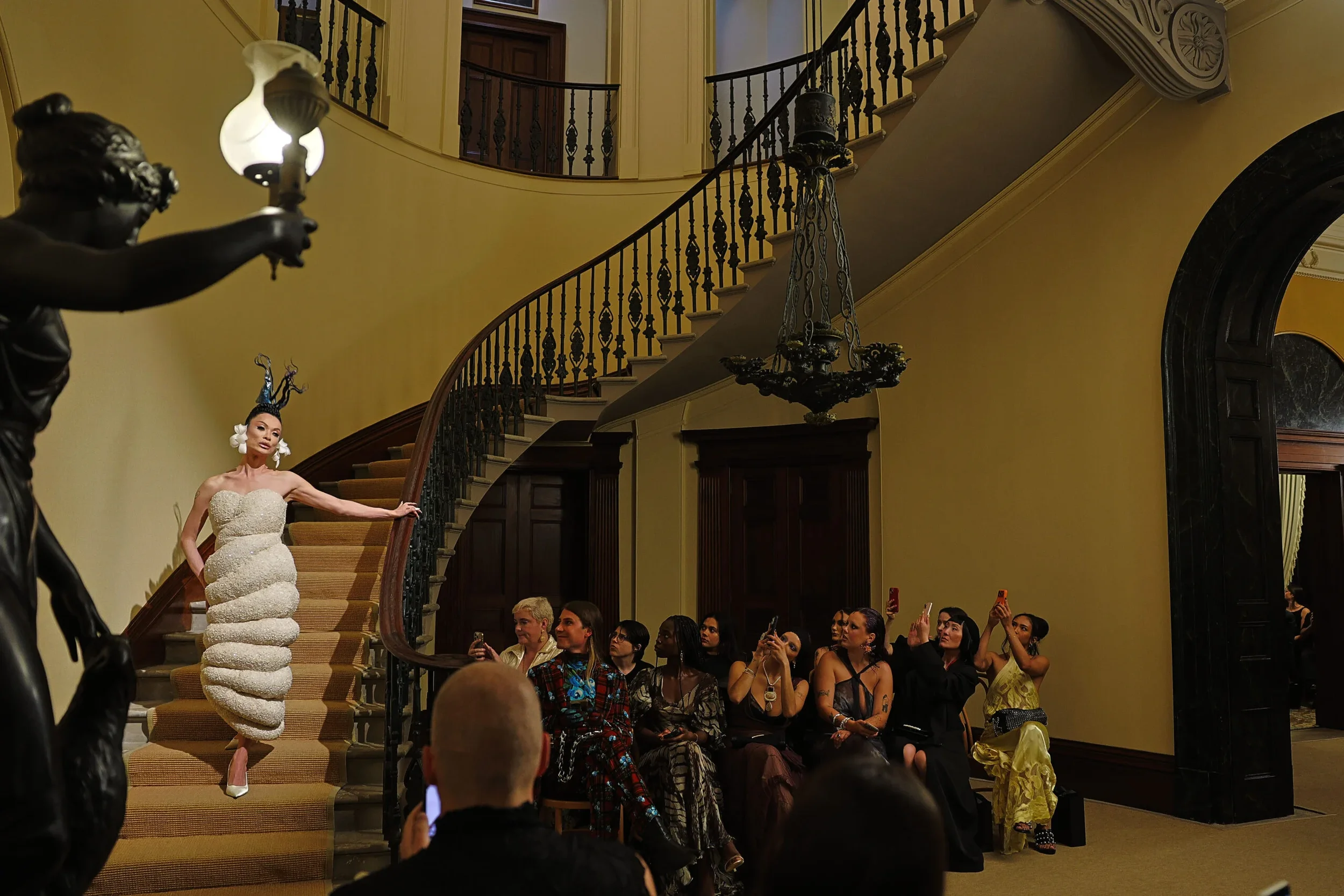
Nicol & Ford: proof of life, and the hidden love story
A review of Nicol & Ford’s Australian Fashion Week show at Elizabeth Bay House, exploring Adrian Feint, made-to-order craft, queer floral symbolism, skin, silhouette and sustainable fashion through community.
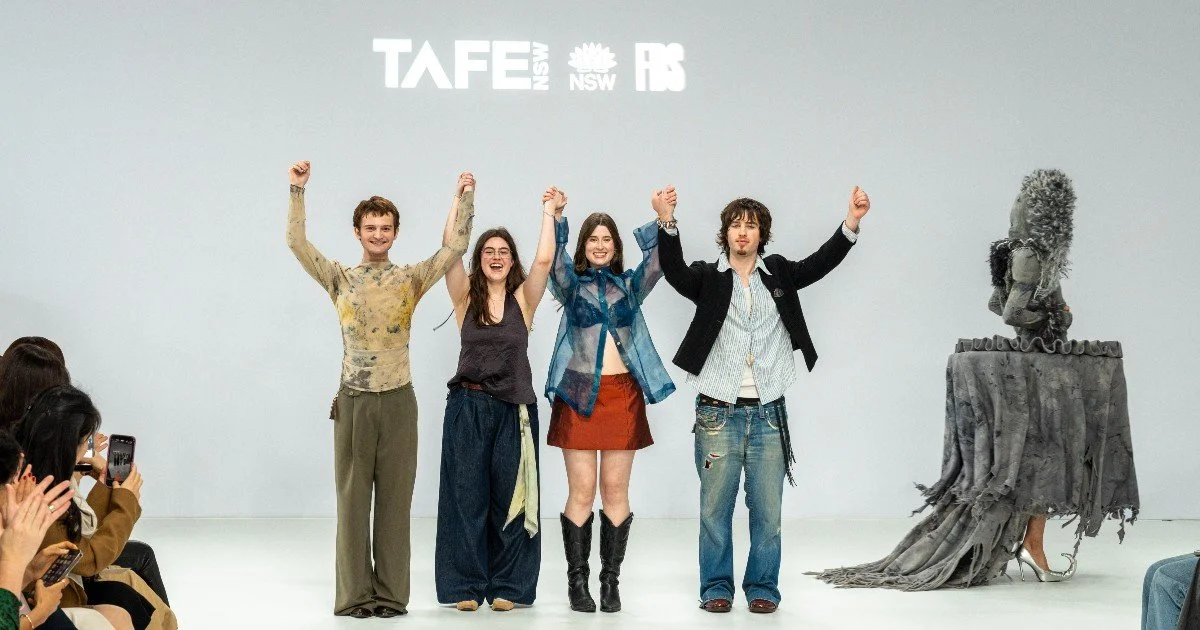
FDS Innovators: deadstock, ghosts and the strange
A review of Fashion Design Studio’s The Innovators showcase at Australian Fashion Week, exploring emerging designers, upcycling, natural dyes, material experimentation and the future of Australian fashion.
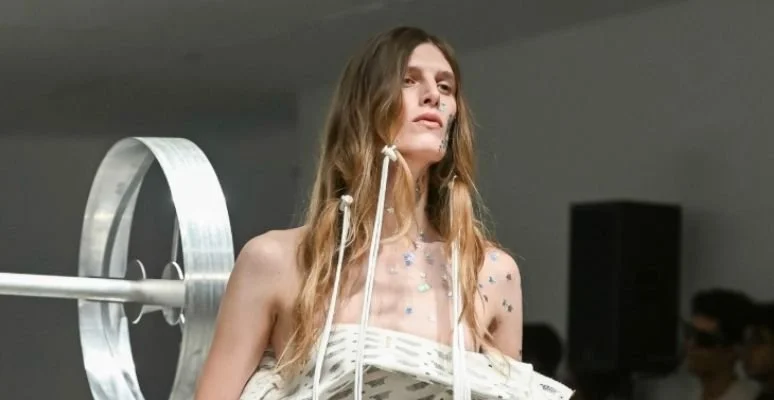
Iordanes Spyridon Gogos: the button, the alarm and beautiful inconvenience
A review of Iordanes Spyridon Gogos at Australian Fashion Week, exploring buttons, upcycling, co-design, Skin Control, performance, community and sustainability as creative disruption.
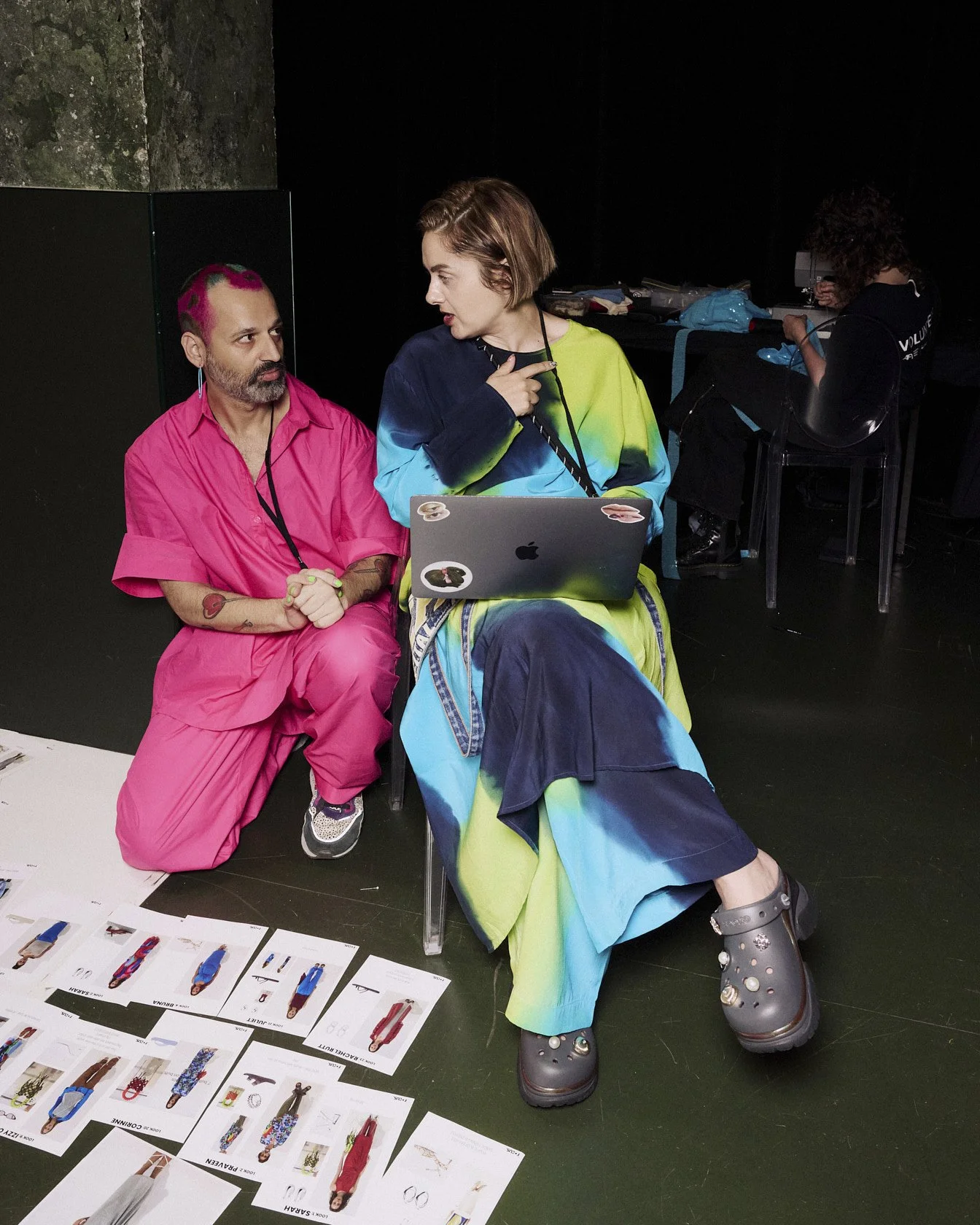
Gary Bigeni: shared life and abundance
A review of Gary Bigeni’s Australian Fashion Week runway, exploring signature polka dots, bold florals, diversity, made-to-order production, colour, gender-neutral design and sustainability through personality.
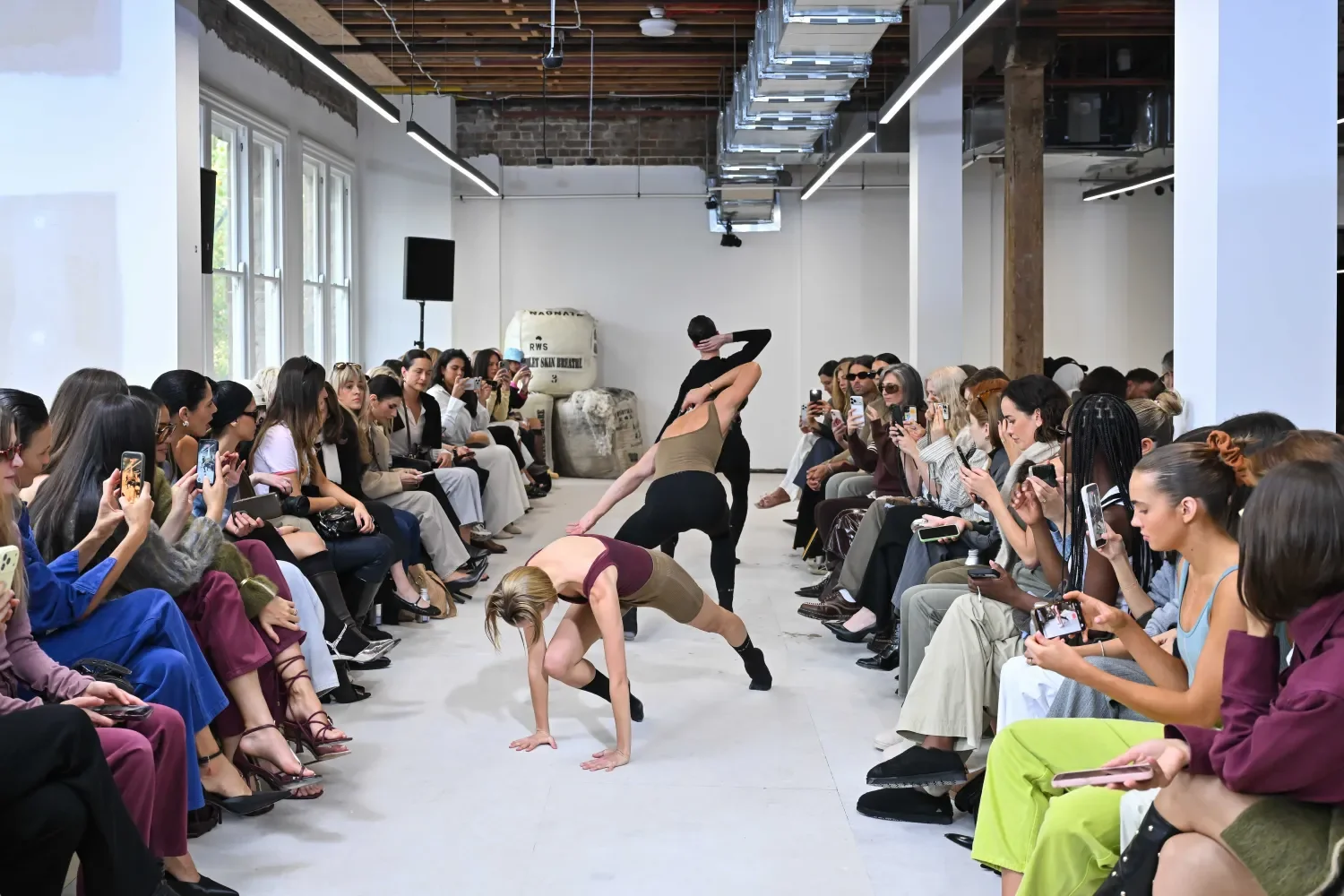
Nagnata: fibre, movement, and soft discipline
A review of Nagnata’s Australian Fashion Week runway, exploring natural fibres, zero-waste knitting, movement, mindfulness and the brand’s challenge to synthetic performance wear.

Australian Fashion Week: Irigai Perspectives
Australian Fashion Week 2026 didn’t offer one neat direction. Across the shows Irigai attended, sustainability showed up through fibre, craft, casting, performance, community, deadstock, made-to-order production and clothes built to hold meaning beyond a season.
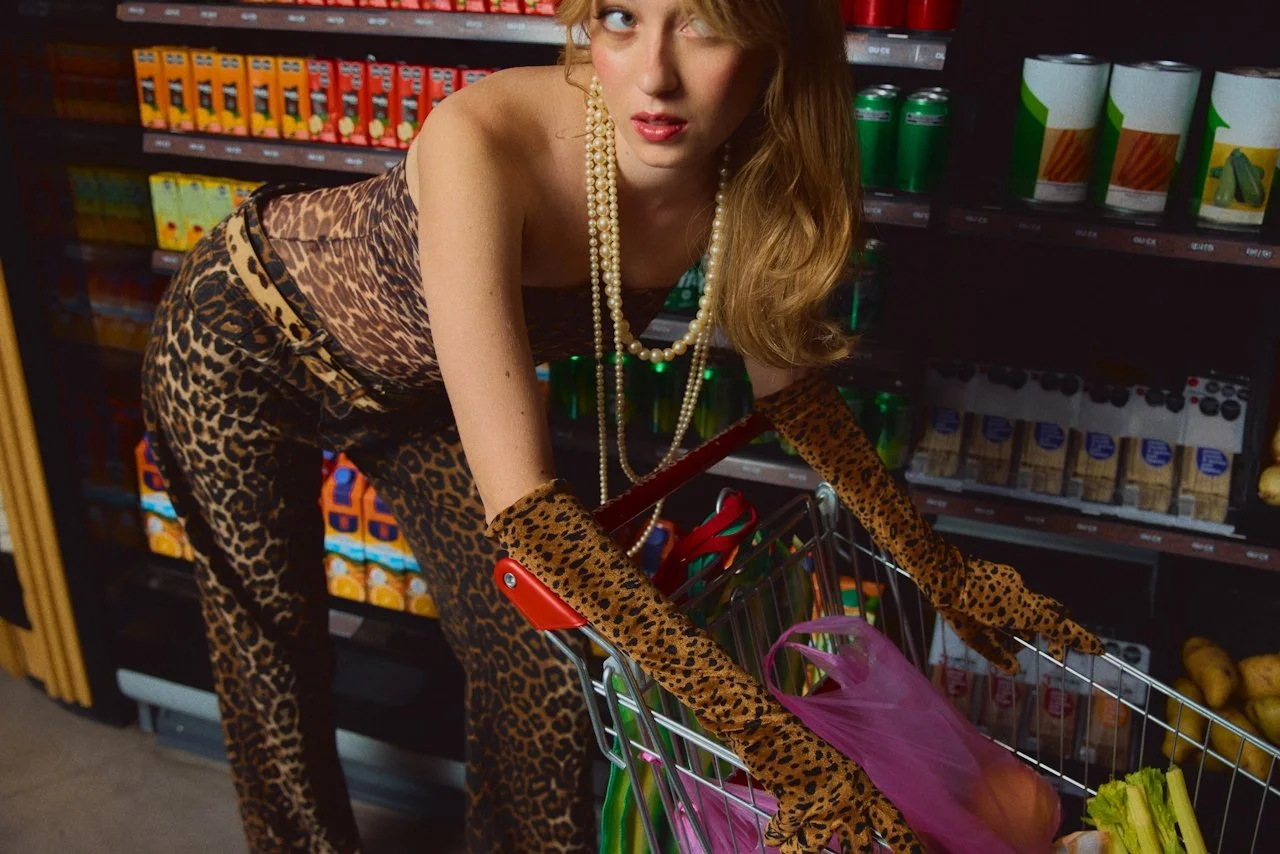
Sustainable Fashion Has a Newness Problem
Newness drives the fashion industry, fast fashion based its entire system on people's desire for it. How can sustainable fashion play the same game?

Value vs Values: Why Sustainable Fashion Needs to Sell More Than Ethics
Most people don’t shop for sustainability - they shop for value. Explore how brands can translate ethics into emotional, financial and cultural relevance.

Irigai 2026 Sustainable Fashion Predictions
Sustainable fashion communication has never been more complicated. Marketing is a mess. Irigai explores how we got here, the effects it's had, and how to resolve it - a creative strategy is your brand’s best investment right now.

Marketing Is a Mess: Why a Creative Strategy Is Your Brand’s Best Investment Right Now
Sustainable fashion communication has never been more complicated. Marketing is a mess. Irigai explores how we got here, the effects it's had, and how to resolve it - a creative strategy is your brand’s best investment right now.

Sustainable Fashion Needs To Be More Like Fast Fashion
Sustainable fashion needs to be more like fast fashion. Not in the way it exploits, or overproduces, or devalues, but in the way it understands what people think they need.