

The Vinted Effect
Vinted has become one of the clearest examples of circular fashion moving into mainstream behaviour.
The platform works because secondhand feels easy, affordable and normal. It gives buyers access to existing clothing at lower prices. It gives sellers a way to recover value from unworn items. It keeps garments moving between people. It makes resale feel like a practical part of everyday fashion.
In 2025, Vinted reported €10.8 billion returned directly to sellers’ pockets. The platform also reported €21.6 billion in buyer savings on adult fashion compared with original retail prices, with items priced 72% lower on average than equivalent new products. Vinted says 88% of buyers check the platform before buying something new and 76% of purchases avoided a new item.
For circular fashion, those numbers are huge.
They show that people engage with circular systems when the experience matches real life. People want price, ease, access, taste, speed, flexibility and reward. Resale grows when it meets those needs directly.

The resale side hustle era is real - but how will it scale?
Resale works because it changes the default
Vinted’s growth shows a simple strategic truth: circular behaviour scales when it feels useful.
Secondhand shopping has moved from charity-shop niche into app-based habit. The buyer can search by brand, size, colour, style and price. The seller can clear space and make money. The platform makes the exchange visible, simple and repeatable.
This matters during a cost of living crisis. Vinted’s research says 63% of buyers feel the platform helps them manage family expenses better, while 31% use savings for everyday essentials such as food and bills.
Resale also gives people a different relationship with ownership. Vinted says 52% of sellers list items to avoid wasting something someone else could want, while 42% use Vinted to make money back on unworn clothes. The platform also reports that 41% of members consider resale value before buying something new, and 56% take better care of belongings because they know they can sell them later.
That is a strong behaviour signal.
A garment becomes an asset with future value. Care becomes financially useful. The wardrobe becomes more active. The item gains another route to use.
Secondhand is becoming a major fashion market
The resale market now sits inside the wider fashion economy.
BCG estimates the global secondhand fashion and luxury market at $210 billion to $220 billion today, with projected growth to $320 billion to $360 billion by 2030. BCG also reports that the market is growing around 10% per year and expanding three times faster than the firsthand market.
This growth shows a wider cultural shift.
People buy secondhand for affordability, access, uniqueness, variety and discovery. BCG’s research also highlights online multibrand resale platforms such as Vestiaire Collective, The RealReal and Vinted as central to scaling adoption.
This is the important lesson for circular fashion brands.
People adopt circular models when the behaviour has clear value. The value can be financial. It can be emotional. It can be stylistic. It can be practical. The strongest circular models often combine all four.
Direct resale gives clothing a clearer route to another wearer
Resale also creates a more visible pathway between one wardrobe and another.
Donation still has a role, especially when clothing is clean, wearable and donated directly to a store. Wider donation systems often move clothing through redistribution centres, sorting facilities, export markets and downcycling routes.
In Australia, The Guardian reported that around 16% of clothing reaching redistribution centres is kept and sold locally. That rate can rise to 40% or 50% when clothing is donated directly in store. Clothing selected beyond local resale can be sorted, graded, exported, downcycled or discarded at later stages.
Direct resale gives a garment a named next user.
That visibility strengthens the circular story. The seller knows the item has moved. The buyer wants the item. The garment stays in active use.
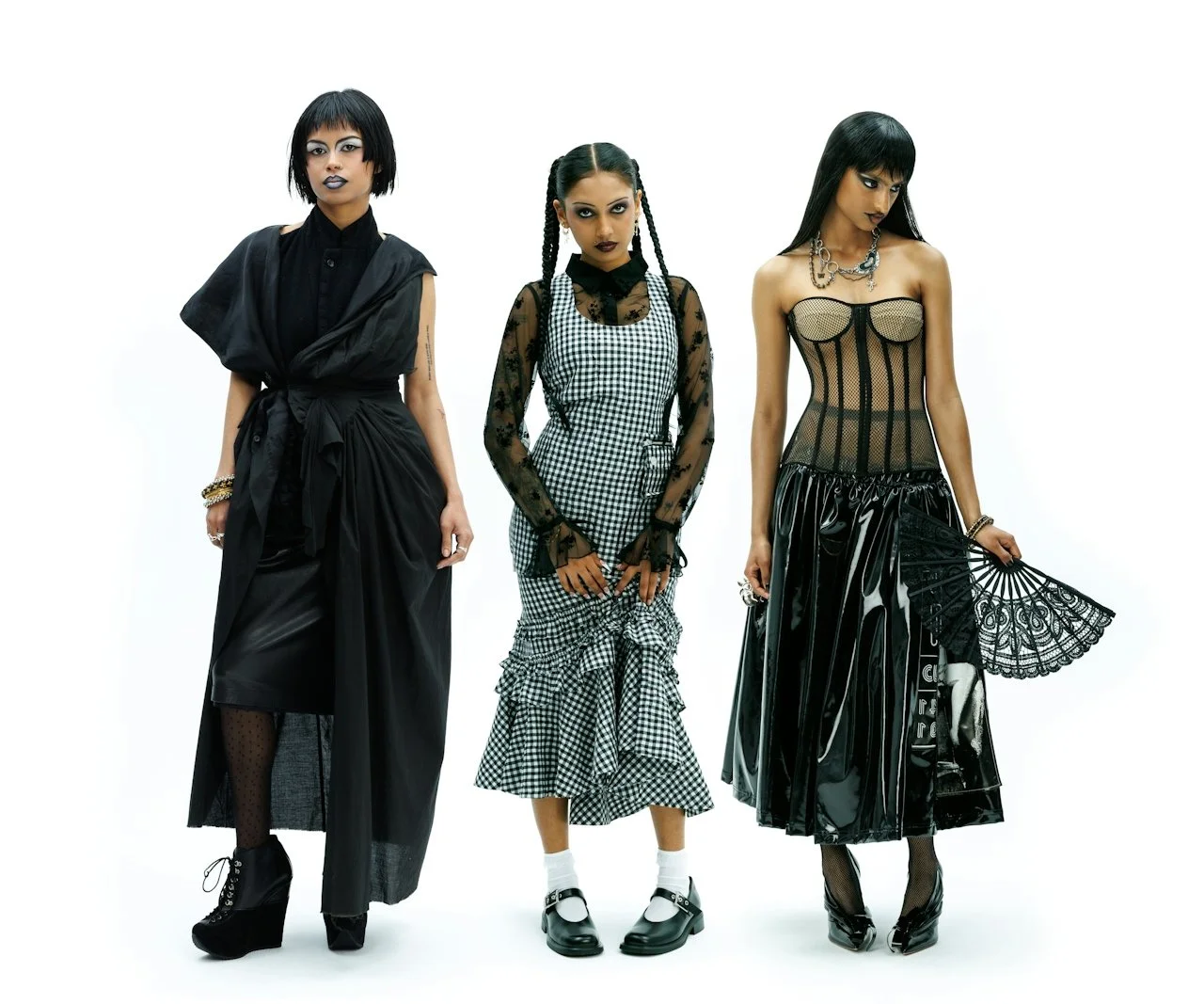
Vinted offers an alternative discard stream for unwanted clothing
The next phase of resale is behaviour design
The next phase of resale depends on the behaviour it creates.
Vinted succeeds because it borrows the strongest parts of digital retail: speed, search, access, affordability, abundance and discovery. Those qualities make secondhand easier to choose.
They also create a faster rhythm.
The item is pre-owned. The behaviour can still be fast.
A shopper can browse resale with the same tempo used across social media, dating apps, ultra-fast fashion marketplaces and app-based retail. Scroll. Search. Save. Refresh. Buy. Relist. Repeat.
The circular value of resale grows when secondhand replaces new production. Vinted’s own impact methodology uses a 76% substitution rate and reports 1,607 kilotonnes of avoided CO₂e emissions in 2025.
That substitution rate is central.
Secondhand’s strongest sustainability role comes from reducing demand for new items. The platform, the buyer and the broader fashion system gain more value when resale becomes the first place people look, the place where people buy with intention, and the place where clothing stays in use for longer.
Research shows the importance of consumption patterns
A 2025 Scientific Reports study adds important nuance. The study found associations between highly engaged secondhand consumers, high overall consumption and short garment retention. The authors frame rebound effect and moral licensing as useful ways to interpret the behaviour, while describing the research as association-based.
This finding helps explain the next challenge for resale platforms and circular fashion brands.
A resale purchase can keep a garment in circulation. A high-volume resale habit can also keep the appetite for constant novelty active.
Circular fashion needs to focus on the full behaviour system:
✷ buying existing items first
✷ choosing better items
✷ wearing items longer
✷ caring for items better
✷ repairing items sooner
✷ reselling items responsibly
✷ reducing demand for new production
This moves the conversation from product source to consumption rhythm.
Platform design shapes fashion behaviour
Digital platforms shape how people shop.
BEUC filed a 2025 complaint against Shein over dark patterns including low-stock messages, countdown timers, peer pressure tactics and repeated notifications. BEUC argues that these practices fuel overconsumption and encourage consumers to buy more clothing.
This wider digital retail context is hugely important for resale.
Resale platforms have the opportunity to build a different pattern of desire. They can make secondhand feel easy and considered. They can reward care. They can show resale value. They can encourage better listings, stronger product information, durability cues, repair history and styling ideas.
The strongest version of resale keeps the pleasure of discovery and adds the logic of longer use.
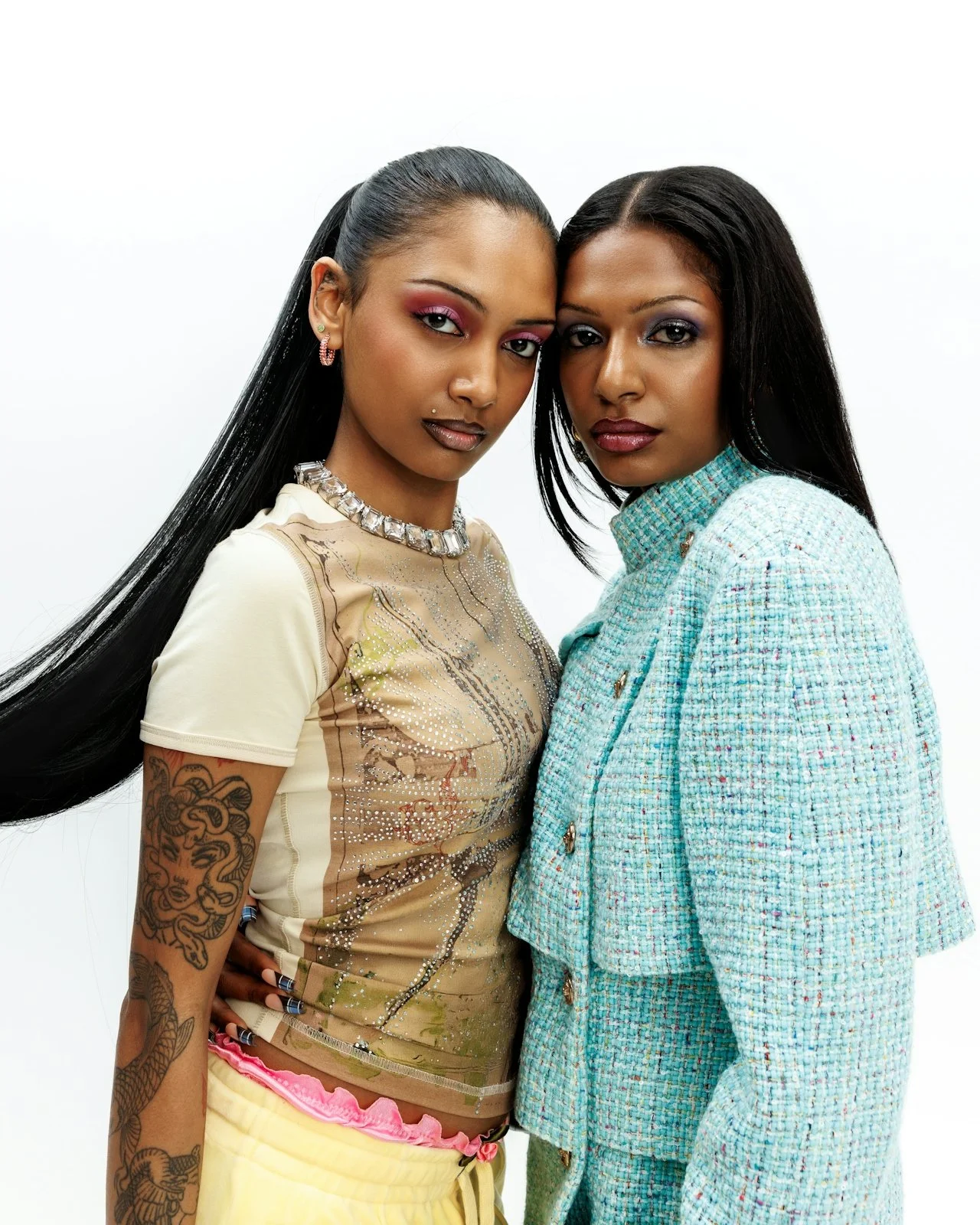
The sharing economy marks a generational shift
Circular fashion brands can learn from Vinted
Vinted gives circular fashion brands a clear communication lesson. People respond to circularity when the behaviour is legible.
A circular model needs more than a sustainability claim. It needs a clear user action. It needs a clear reason to participate. It needs a clear feeling. It needs a clear benefit. It needs a clear repeat behaviour.
For resale, that behaviour is easy to understand: buy existing clothing first and sell what someone else can use.
For repair, the behaviour might be: extend the life of what you already own.
For rental, the behaviour might be: access the moment and return the garment.
For biomaterials, the behaviour might be: choose materials with lower-impact inputs and credible application pathways.
For circular services, the behaviour might be: keep products in use through infrastructure, logistics and better post-purchase systems.
Each model needs language that makes the behaviour obvious.
The future of resale is slower demand
The future of resale is larger than market growth.
The strongest version of resale helps people want less new. It gives existing clothing more value. It makes care financially and emotionally rewarding. It gives people confidence to buy pre-owned first. It turns wardrobe circulation into a mainstream habit.
Vinted has already shown that secondhand can scale through convenience, affordability and access.
The next era of resale can build a slower rhythm around that scale.
It can make existing clothes feel desirable for longer.
It can make ownership feel more active.
It can make care part of the experience.
It can make resale value part of buying decisions.
It can make secondhand the first place people look.
It can reduce the pressure for constant new production.
That is where circular fashion becomes commercially powerful and culturally meaningful.
Irigai and The Vinted Effect
At Irigai, we help sustainable, circular and design-led fashion brands translate complex systems into clearer positioning, messaging and content direction.
The Vinted effect shows why that work is fundamental.
Circularity becomes easier to adopt when people understand the behaviour. It becomes easier to trust when the value is clear. It becomes easier to repeat when the language, content and customer journey all point in the same direction.
For circular brands, resale platforms, repair businesses, rental models, biomaterial innovators and sustainable fashion teams, the next opportunity is clear.
Make the system legible.
Make the behaviour desirable.
Make the commercial value visible.
Make the slower choice feel natural.
That is the communication work behind the next phase of circular fashion.